IDENTITY AS PROPERTY: NAVIGATING PERSONALITY RIGHTS JURISPRUDENCE IN INDIA
In the age of Instagram reels, deepfakes, and AI avatars, your “identity” is no longer just who you are—it is a commodity.
From a signature catchphrase like “Jhakas” to a unique walking style, elements of a person’s character are now valuable assets. But what happens when these assets are stolen? Can a shop sell dolls that look like a famous singer? Can a comedian be sued for mimicking a star on Netflix?
This blog explores the shifting legal landscape in India, where the law is racing to catch up with technology, transforming personal identity into a protectable property right.
- WHAT ARE PERSONALITY RIGHTS?
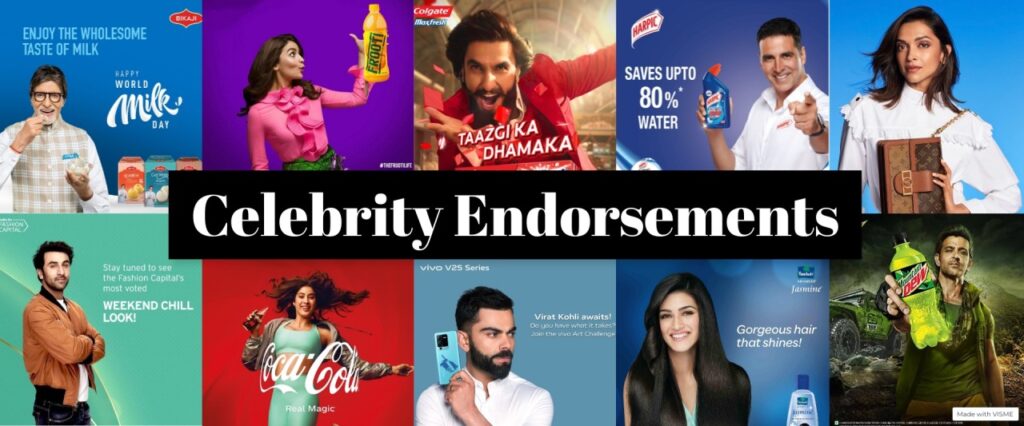
At its core, Personality Rights refer to an individual’s right to control the commercial use of their identity. It is the legal power to say: “You cannot make money off my name, face, or voice without paying me.”
This protects distinctive attributes such as:
- Physical Appearance: Images, caricatures, or lookalikes.
- Voice & Mannerisms: The way a person speaks or moves.
- Signature Elements: Catchphrases (e.g., Jackie Shroff’s “Bhidu”).
While historically rooted in the Right to Privacy (under Article 21 of the Constitution), these rights have evolved. They are no longer just about “being left alone”; they are about preventing others from cashing in on your fame.
- THE LEGAL EVOLUTION: FROM PRIVACY TO PROPERTY:-
India does not yet have a specific statute (law) for personality rights. Instead, courts have built a framework using a mix of Constitutional principles and Copyright laws. Here are the landmark cases that built this wall:
The Foundation: Privacy (Auto Shankar Case, 1994)
In R. Rajagopal v. State of Tamil Nadu, the Supreme Court ruled that a person has a “right to be let alone.” This established that no one can publish details of your private life without consent. It was the seed from which personality rights grew.
The Commercial Shift (Daler Mehndi Case, 2010)
The Delhi High Court took a massive leap in DM Entertainment v. Baby Gift House. A company was selling dolls that looked like singer Daler Mehndi and sang his songs. The court stopped them, recognizing the “Right of Publicity.” It ruled that a celebrity has the exclusive right to commercially exploit their own persona.
The Digital Age (Anil Kapoor & Amitabh Bachchan Cases, 2023-24)
Recent rulings have become even stricter due to AI:
- Anil Kapoor won an order preventing the use of AI to mimic his voice or image for commercial gain.
- Amitabh Bachchan secured a “John Doe” order, restraining the world at large from using his “star status” to sell products without permission.
- THE FLIP SIDE: WHEN STARS BECOME DEFENDANTS:-
Identity rights cut both ways. Just as a brand cannot steal a star’s name, a star cannot steal a brand’s identity.
The “Hamara Bajaj” Case (2013): Actor John Abraham produced a movie titled Hamara Bajaj. The auto giant Bajaj Auto sued, arguing that “Hamara Bajaj” was their iconic tagline. The court ruled against John Abraham, stating that the brand’s identity was intellectual property that could not be used as a movie title without permission.
- THE GREY AREA: IS MIMICRY ILLEGAL?
If identity is property, why aren’t shows like The Great Indian Kapil Show sued for mimicking stars? They are, after all, commercial products on Netflix.
The answer lies in the “Satire Exception.”
- The “Deception” Test: The law draws a line between Comedy and Commerce.
- Illegal: If a mimic uses Amitabh Bachchan’s voice to sell tires on the radio, it is illegal. The listener might be tricked into thinking the star endorsed the tires. This is “Passing Off.”
- Legal: If a comedian mimics Amitabh Bachchan on a stage, the audience knows it is a joke. No one is tricked. This is protected as “Artistic Expression” under Article 19(1)(a).
The Cautionary Tale: While mimicking a person is usually safe, mimicking a copyrighted character is risky. Recently, the producers of the film Hera Pheri sent a legal notice to a comedy show for performing a sketch using the character “Baburao,” claiming the character itself was their intellectual property.
- THE FUTURE: DEEPFAKES AND AI:-
The biggest challenge today is Artificial Intelligence. A deepfake can now make a politician say things they never said, or a deceased singer “perform” a new song.
Indian courts are currently issuing “Omnibus Injunctions” (broad protective orders) to stop this. In the case of legendary composer Ilaiyaraaja, the court prohibited AI platforms from using his musical identity without consent.
CONCLUSION:-
Personality Rights in India are at a fascinating crossroads. They protect the economic interests of the famous, ensuring that their hard-earned reputation isn’t stolen by shopkeepers or AI bots. However, courts must continue to balance this with the public’s right to free speech, ensuring that in the race to protect property, we don’t outlaw humour, satire, and art.
SOURCES & FURTHER READING
Judicial & Legal Commentary
- “When identity becomes property: Understanding personality rights”, Bar & Bench — overview of personality rights evolution.
- DM Entertainment Pvt. Ltd. v. Baby Gift House & Ors. — key right of publicity case (Daler Mehndi).
- Personality rights jurisprudence and case summaries.
- R. Rajagopal v. State of Tamil Nadu analysis (right to privacy).
- Puttaswamy v. Union of India (right to privacy).
Recent Court Orders (AI & Identity Rights)
- Madras High Court restraining digital platforms from AI-generated likeness use (Ilaiyaraaja).
- Delhi High Court notices/orders related to celebrity personality rights and AI misuse.
 Adv. Mamta Singh Shukla
Supreme Court of India | Certified PoSH Trainer
 Adv. Mamta Singh Shukla
Finally, the article was originally published by Vijay Foundation. For more legal and public-interest articles, readers may visit vijayfoundations.com.
Support Vijay Foundation
If you value independent analysis and public-interest work on technology and privacy, consider supporting our mission.