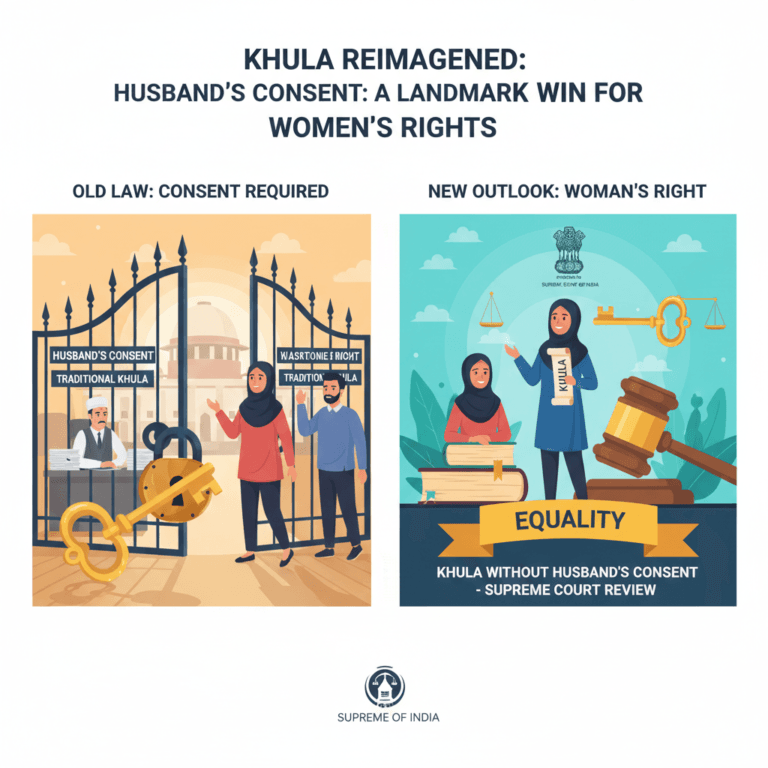
Empowerment through Law: Redefining matrimonial autonomy in India.

Khula Without Husband’s Consent: A Landmark Win for Women’s Rights

Legal Updates / Personal Law • February 11, 2026 Khula Without Husband’s Consent: A Revolutionary Landmark for Women’s Rights A revolutionary shift in Indian Personal Law: Redefining matrimonial autonomy. Executive Summary The Supreme Court of India is currently deliberating a transformative legal question: Is the right to Khula Without Husband’s Consent absolute? By examining a […]

Khula Without Husband’s Consent: A Landmark Win for Women’s Rights Read More »

Legal, Social
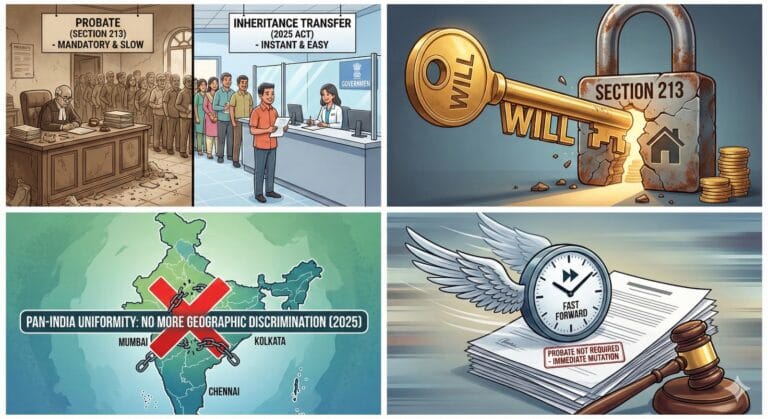
Inheritance Unlocked Why You Can Finally Skip the Probate Queue

Inheritance Unlocked: Why You Can Finally Skip the Probate Queue in 2026

Legal Updates / Property Law • February 10, 2026 Probate in India 2026: The Easy Guide to Unlock Inheritance The “Probate Raj” ends: A new era for property inheritance in India’s historic metros. Executive Summary The rules for Probate in India 2026 have fundamentally changed. With the passing of the Repealing and Amending Act, 2025,

Inheritance Unlocked: Why You Can Finally Skip the Probate Queue in 2026 Read More »

Social
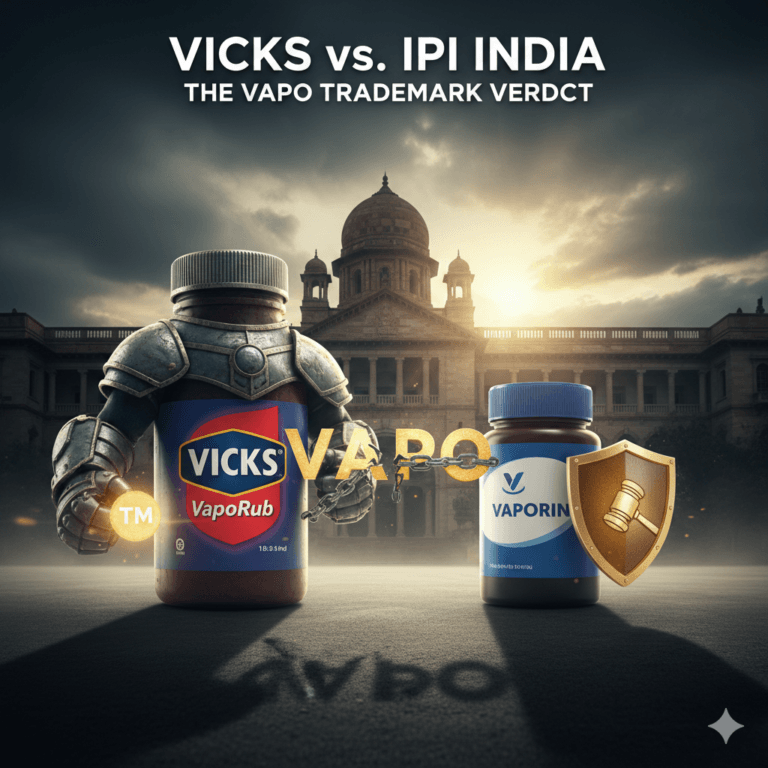
VICKS VAPORUB and VAPORIN Trademark Battle

Can Big Brands Bully Small Players? The Madras High Court Verdict

Legal Analysis / Business Strategy • February 4, 2026 Trademark Bullying: Can Big Brands Bully Small Players? 2026 Verdict The high-stakes trademark battle between P&G and IPI India decided on January 6, 2026. Executive Summary The Madras High Court has delivered a historic blow to Trademark Bullying. By preventing the monopolization of common language, this

Can Big Brands Bully Small Players? The Madras High Court Verdict Read More »

Cyber Crime, CYBERSECURITY, Intellectual Property Law, Technology
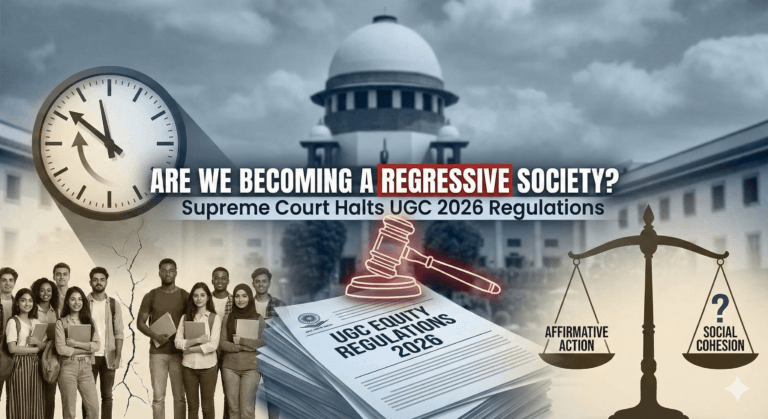
Supreme Court of India staying UGC Equity Regulations 2026 with scales of justice and student groups

Are We Becoming a Regressive Society?: Why the Supreme Court Halted UGC’s 2026 Regulations

Legal Education / Supreme Court • January 29, 2026 “Are We Becoming a Regressive Society?”: Why SC Halted UGC Equity Regulations 2026 Chief Justice Surya Kant and Justice Joymalya Bagchi halt the new rules. Executive Summary The Supreme Court of India has placed an interim stay on the newly notified UGC Equity Regulations 2026, warning

Are We Becoming a Regressive Society?: Why the Supreme Court Halted UGC’s 2026 Regulations Read More »

Constitutional Law, Political, public interest law
WhatsApp encryption lawsuit investigation

WhatsApp Encryption Lawsuit: 2026 Meta Privacy Breach Explained

Cybersecurity / Legal News • February 4, 2026 WhatsApp Encryption Lawsuit: 2026 Meta Privacy Breach Explained Executive Summary A massive class-action lawsuit filed in January 2026 claims Meta has systematically broken its “End-to-End Encryption” promise. High-level whistleblowers allege that a secret internal “Task” system allows employees to bypass WhatsApp encryption to read private messages in

WhatsApp Encryption Lawsuit: 2026 Meta Privacy Breach Explained Read More »

Cyber Crime, CYBERSECURITY, Intellectual Property Law, Technology
Union Budget 2026-27 The Good, The Bad, and the Middle Class Miss

Union Budget 2026–27: The Good, The Bad, and the Middle Class Miss

Policy Analysis / Economy • February 1, 2026 Union Budget 2026-27: The Good, The Bad, and the Middle Class Miss Executive Summary The Union Budget 2026-27 is a high-capex, fiscally disciplined ‘builder’s budget’. While it prioritizes long-term infrastructure and manufacturing, the salaried middle class faces a “fiscal drag” as tax slabs remain frozen. At Vijay

Union Budget 2026–27: The Good, The Bad, and the Middle Class Miss Read More »

Constitutional Law, Political, public interest law

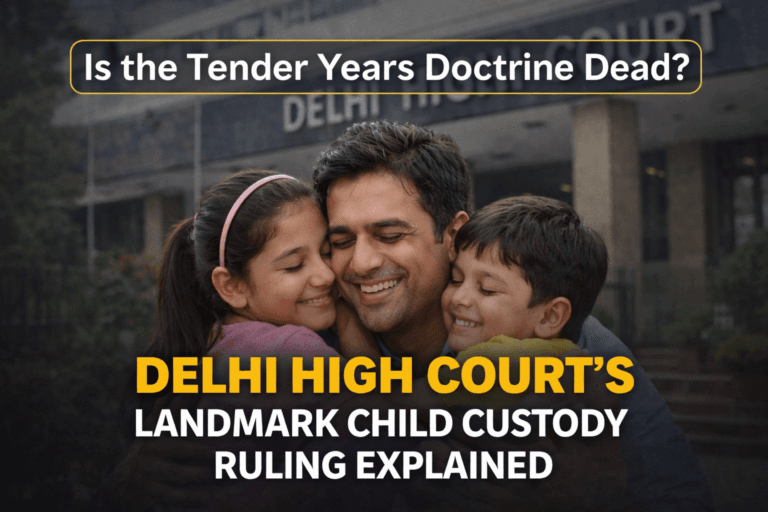
Is the Tender Years Doctrine Dead? Delhi High Court’s Landmark Child Custody Ruling Explained

Is the Tender Years Doctrine Dead? Delhi High Court’s Landmark Child Custody Ruling Explained Introduction Child custody disputes are among the most sensitive and complex matters before Indian courts, as they directly impact the emotional, psychological, and social development of children. In a landmark judgment, the Delhi High Court decisively moved away from traditional gender-based

Is the Tender Years Doctrine Dead? Delhi High Court’s Landmark Child Custody Ruling Explained Read More »

Legal, Social
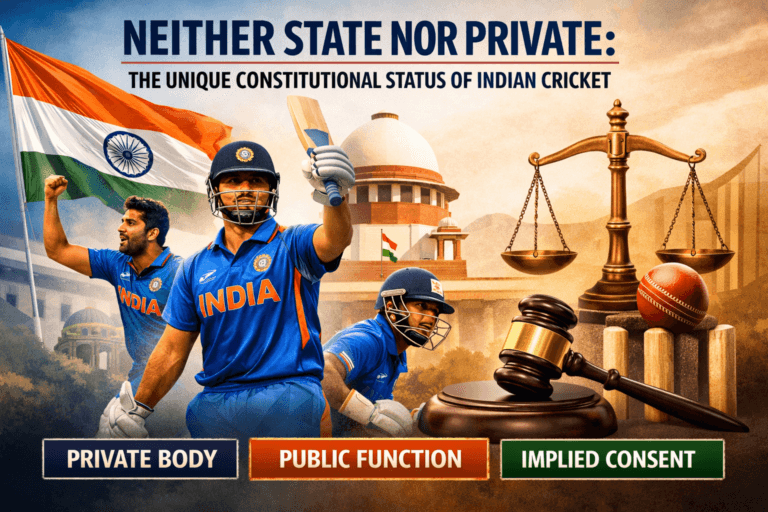
Supreme Court of India and Team India cricket players symbolising BCCI’s constitutional status

NEITHER STATE NOR PRIVATE: THE UNIQUE CONSTITUTIONAL STATUS OF INDIAN CRICKET

NEITHER STATE NOR PRIVATE: THE UNIQUE CONSTITUTIONAL STATUS OF INDIAN CRICKET The Supreme Court of India dismissed a Public Interest Litigation (PIL) that sought to restrain the use of the name “Team India” for the national cricket team. The Court termed the plea frivolous. Yet, the case briefly spotlighted the unusual constitutional position of Indian

NEITHER STATE NOR PRIVATE: THE UNIQUE CONSTITUTIONAL STATUS OF INDIAN CRICKET Read More »

Constitutional Law, Political, public interest law

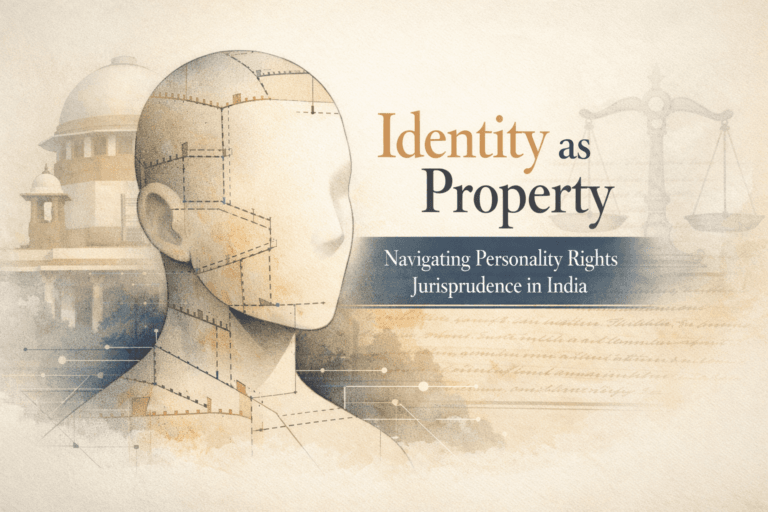
IDENTITY AS PROPERTY: NAVIGATING PERSONALITY RIGHTS JURISPRUDENCE IN INDIA

IDENTITY AS PROPERTY: NAVIGATING PERSONALITY RIGHTS JURISPRUDENCE IN INDIA In the age of Instagram reels, deepfakes, and AI avatars, your “identity” is no longer just who you are—it is a commodity. From a signature catchphrase like “Jhakas” to a unique walking style, elements of a person’s character are now valuable assets. But what happens when

IDENTITY AS PROPERTY: NAVIGATING PERSONALITY RIGHTS JURISPRUDENCE IN INDIA Read More »

Cyber Crime, CYBERSECURITY, Intellectual Property Law, Technology

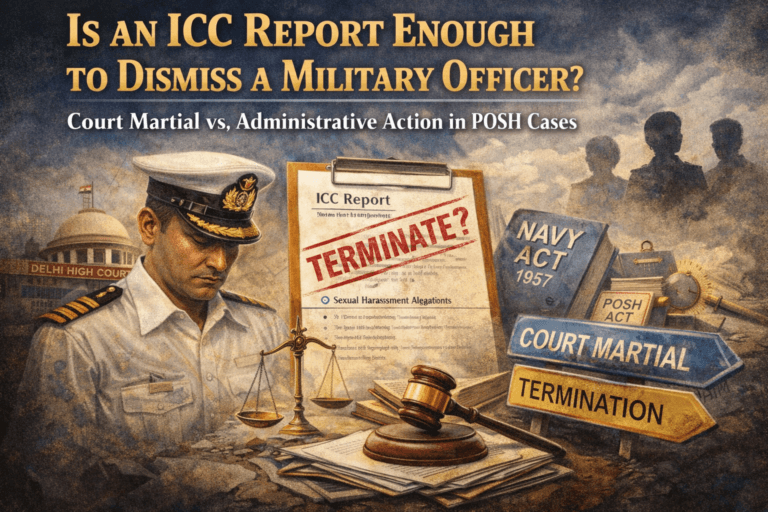
Is an ICC Report Enough to Dismiss a Military Officer?

Is an ICC Report Enough to Dismiss a Military Officer? When a naval officer faces allegations of sexual harassment, can he insist on a Court Martial? Or may the Navy terminate his services administratively based on an Internal Complaints Committee (ICC) report? This tension between military due process and the urgent mandate of the POSH

Is an ICC Report Enough to Dismiss a Military Officer? Read More »

Constitutional Law, Political, public interest law