Children's Day 14 November: Fascinating Story of Bal Diwas
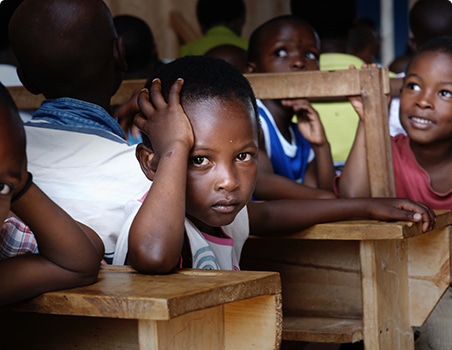
Every year, the celebration of Children's Day 14 November fills classrooms across India with songs, drawings, fancy-dress shows, and red roses. It feels like a day that has always belonged to children. Yet the date was not always the same, and the person behind it is remembered as much for his warmth as for his work.
Why Celebrate Children's Day 14 November? The Quick Answer
Bal Diwas in Four Lines
- Bal Diwas (Children’s Day) is celebrated on 14 November, the birthday of Jawaharlal Nehru, who was born in 1889. In 2026 it marks his 137th birth anniversary.
- Until 1964, India observed Children’s Day on 20 November, the day the United Nations recognises as Universal Children’s Day.
- After Nehru passed away on 27 May 1964, Parliament resolved to establish Children's Day 14 November as the official national date instead.
- Children affectionately called him Chacha Nehru, which means “Uncle Nehru”.
Who Was Chacha Nehru?
Jawaharlal Nehru was born on 14 November 1889 in Allahabad, now Prayagraj. He grew up in a family of lawyers; his father, Motilal Nehru, was a well-known lawyer and a leader of the freedom movement. Jawaharlal studied at Harrow School and Trinity College, Cambridge, trained as a barrister in London and returned to India in 1912.
He joined the freedom struggle and was jailed several times. When India became independent in 1947 he became its first Prime Minister and served until he passed away on 27 May 1964.
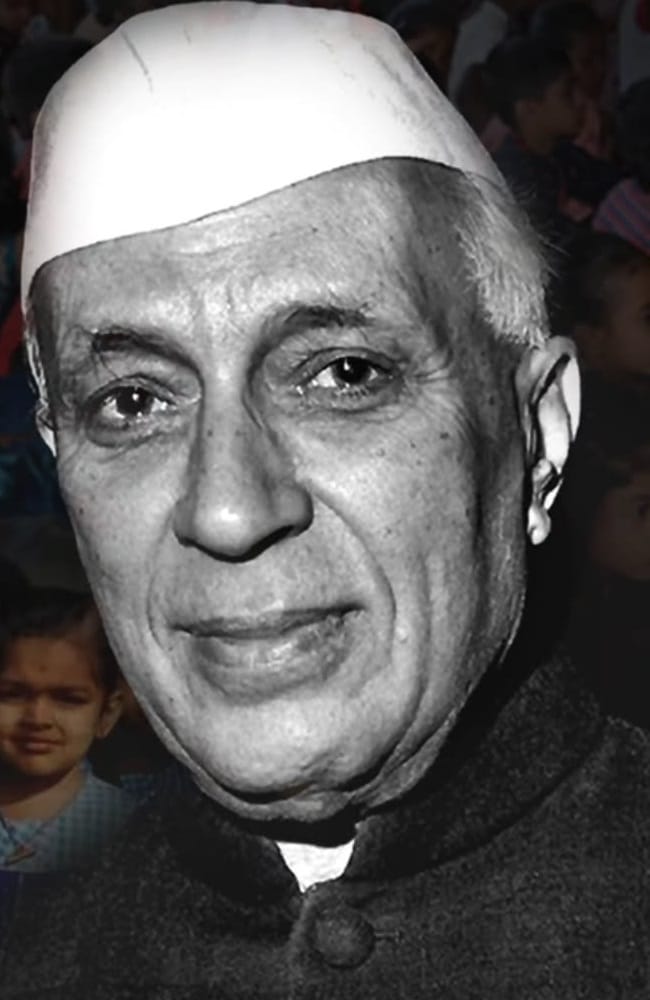
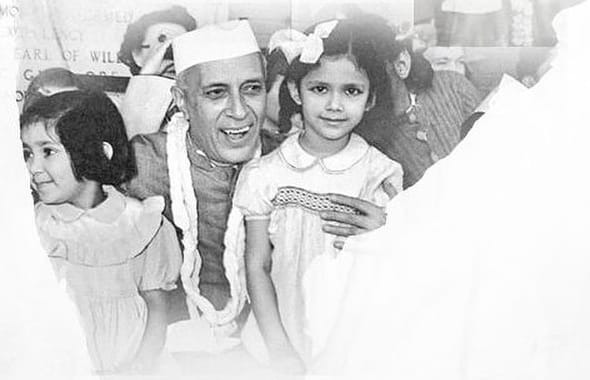
Many leaders are remembered for speeches and decisions. Nehru is also remembered for something simpler: he liked to spend time with children, and they noticed. That affection is why a title like “Uncle” stuck to a Prime Minister.
From 20 November to 14 November
India began marking Children’s Day in the mid-1950s, following the United Nations’ Universal Children’s Day on 20 November. That remained the date until 1964. When Nehru passed away that year, Parliament decided to honour his profound love for the nation's youth by officially shifting the celebration to Children's Day 14 November.
So the date you see in school calendars today is really two ideas joined together: a global promise to protect children, and a very Indian way of remembering a leader through the people he loved most.
Letters for a Ten-Year-Old
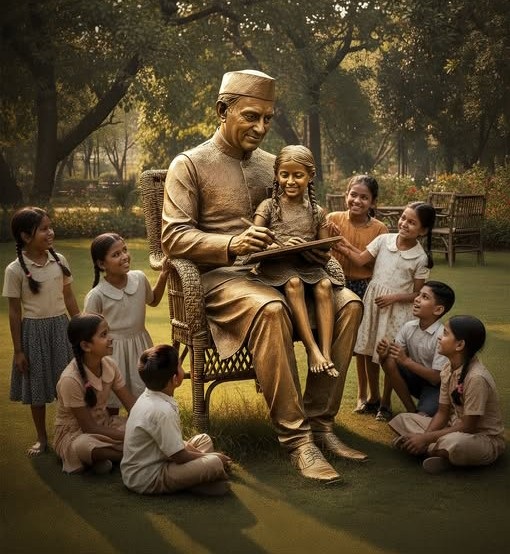
One of the most charming parts of Nehru’s story is a set of letters. In the summer of 1928, his daughter Indira, then ten years old, was staying in Mussoorie while Nehru was in Allahabad. He wrote her 30 letters about nature, the earth and the early days of human history, in simple language a child could follow.
They were published in 1929 as Letters from a Father to His Daughter, described as a brief account of the early days of the world written for children. The novelist Munshi Premchand later translated them into Hindi, so that many more children could read them.
Years later, during his imprisonment at Ahmednagar Fort between 1942 and 1945, he wrote The Discovery of India, which was published in 1946. It explores India’s history, culture and unity. Both books show a man who believed that learning and writing could travel anywhere, even from behind walls.
Built for Children
Nehru’s interest in children was not limited to smiles for photographs. During his time as Prime Minister, two institutions for children were set up:
- Children’s Film Society, India (1955). The idea of cinema made especially for Indian children was mooted by Nehru, and the society was founded on 11 May 1955 to produce films for young audiences.
- National Bal Bhavan (1956). Founded in New Delhi, it offers children between 5 and 16 years of age a place for creative pursuits.
The Rose, the Cap and the Jacket
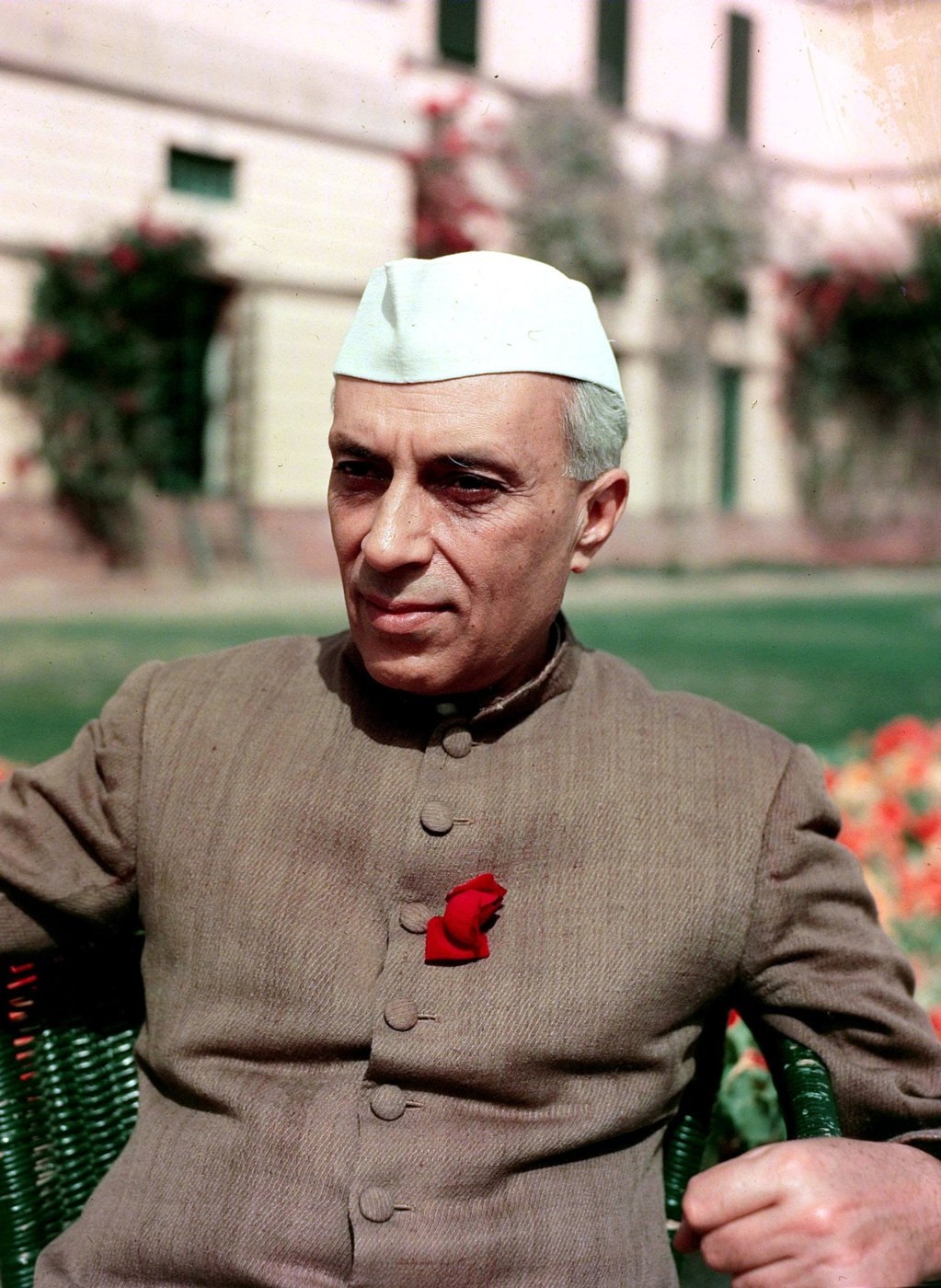
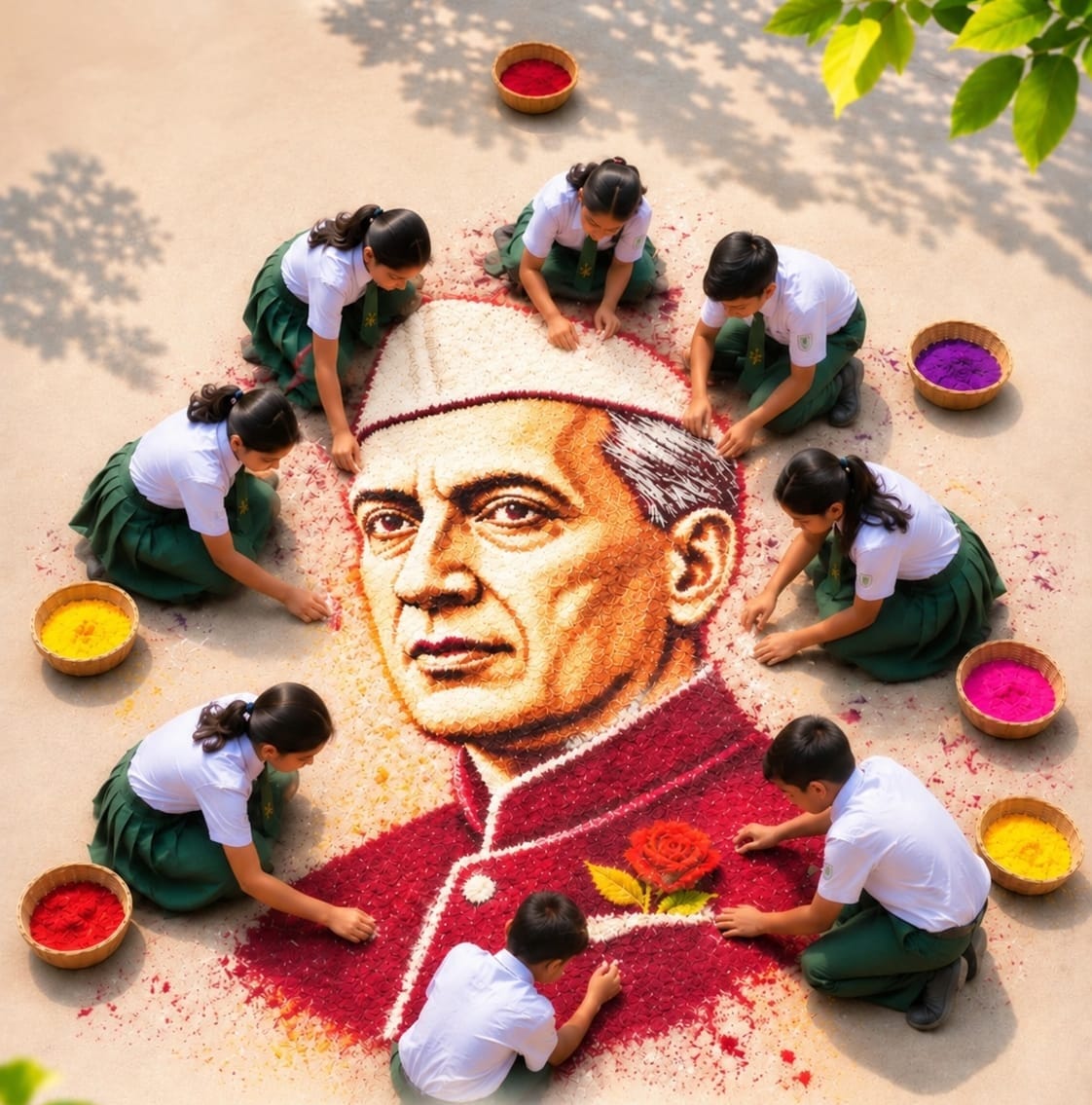
Photographs of Nehru often show a red rose on his jacket, and children came to link the flower with his affection for them. That is why many students wear a red rose on Bal Diwas. His white cap and buttoned jacket, widely known as the Nehru jacket, also became a style Indians still recognise today.
Scientific Temper: Ask Why
Nehru is closely associated with the phrase scientific temper, which he discussed in The Discovery of India. It means asking questions, testing ideas and trusting facts over fear or superstition. During his years as Prime Minister, India set up its first Indian Institutes of Technology.
The Constitution of India carries the idea forward. Article 51A(h) lists it among the Fundamental Duties of every citizen: “to develop the scientific temper, humanism and the spirit of inquiry and reform.”
If a Child Needs Help
If a child is in trouble, or you are worried about one, call CHILDLINE 1098. It is a free, 24×7 helpline that any child or concerned adult can use. You can also explore our ongoing advocacy for child rights at the Vijay Foundation.
Frequently Asked Questions
1. Why is Jawaharlal Nehru called Chacha Nehru?
“Chacha” means uncle in Hindi. Children affectionately called him Chacha Nehru because he was fond of them and spent time with them.
2. Why is Bal Diwas celebrated on 14 November?
14 November is Jawaharlal Nehru’s birthday. After his death in 1964, Parliament resolved to celebrate Children’s Day on his birth anniversary.
3. When was Children’s Day celebrated in India before 1964?
Before 1964, India observed Children’s Day on 20 November, the date marked by the United Nations as Universal Children’s Day.
4. What are the famous books written by Nehru?
Letters from a Father to His Daughter (1929), An Autobiography (1936) and The Discovery of India (1946) are among his best-known books. The first was written for children.
5. Why do children wear a red rose on Bal Diwas?
Nehru was often photographed with a red rose on his jacket, and the flower came to be linked with his love for children. Many schools continue the tradition.
बाल दिवस की हार्दिक शुभकामनाएँ! Happy Children’s Day.
Sources and Authoritative References
- Letters from a Father to His Daughter (Penguin India)
- The Discovery of India (Penguin India)
- Constitution of India (Article 51A)
- Institutions referenced: Children’s Film Society, India & National Bal Bhavan
This article is written for educational and inspirational purposes. Images marked “illustration” or “illustrative” are artistic representations. Sources: Letters from a Father to His Daughter and The Discovery of India (Penguin India); Children’s Film Society, India; National Bal Bhavan; Article 51A(h) of the Constitution of India; Parliament’s 1964 decision on Children’s Day as reported by major Indian news outlets.