Legal Analysis / Business Strategy • February 4, 2026
Trademark Bullying: Can Big Brands Bully Small Players? 2026 Verdict
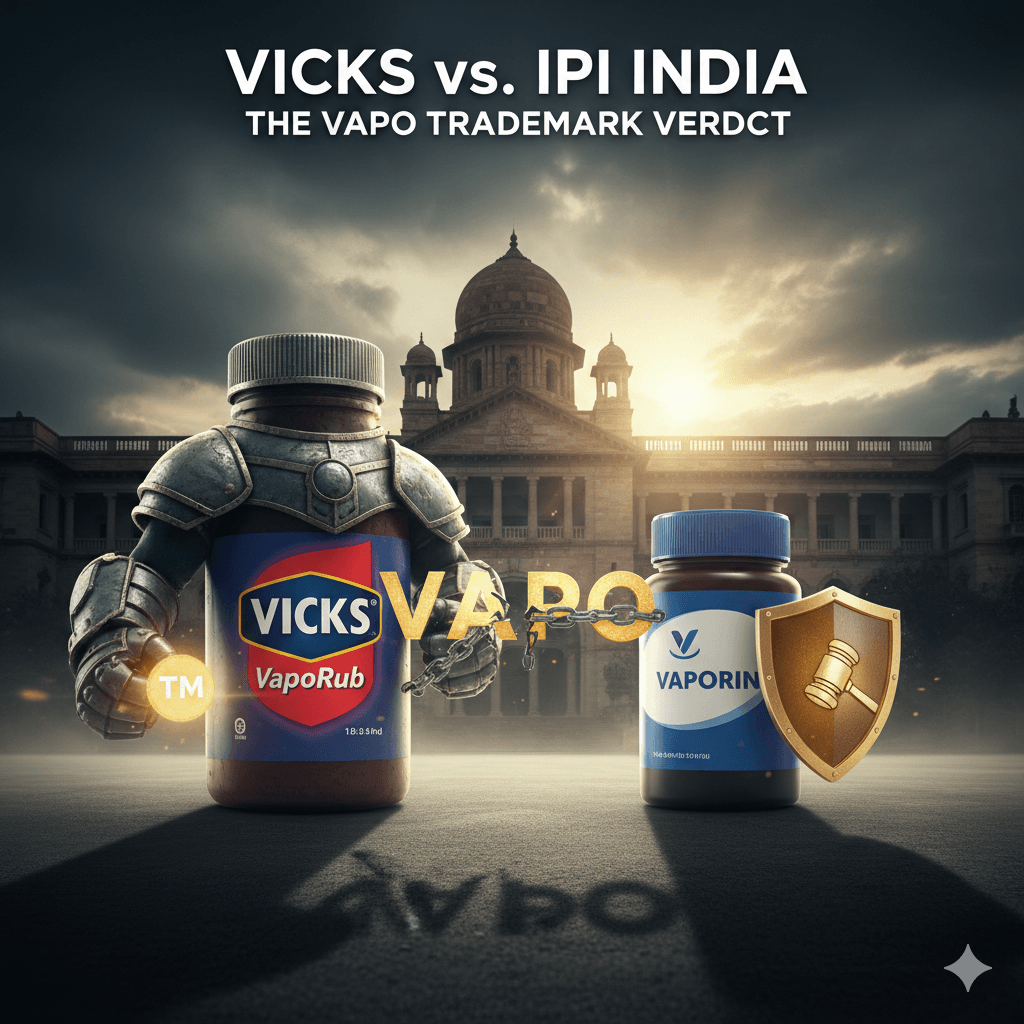
The high-stakes trademark battle between P&G and IPI India decided on January 6, 2026.
Executive Summary
The Madras High Court has delivered a historic blow to Trademark Bullying. By preventing the monopolization of common language, this 2026 judgment protects domestic innovators from corporate intimidation and ensures that generic terms like “Vapo” remain in the public domain.
Why the Court Halted Aggressive Litigation
The bench highlighted three pillars to protect small players from legal harassment. Understanding the “spectrum of distinctiveness” is essential for any entrepreneur to defend themselves against potential trademark bullying:- ✔ Publici Juris: “Vapo” is a descriptive term derived from “Vapour.” The court held that no single company can own words that are descriptive of a product’s function and common to the trade.
- ✔ Anti-Dissection Rule: Under Section 17 of the Trade Marks Act, brands must be viewed as a whole. You cannot dissect a name just to find a common syllable and claim infringement.
- ✔ Common Usage: Evidence showed that over 75 products use the “Vapo” prefix. If it’s common in the trade, it’s generic and cannot be locked away by one player.
Comparative Analysis: P&G vs. IPI India
This comparison shows why the court found that IPI India’s “Vaporin” was not deceptively similar to P&G’s brand, despite the legal pressure often associated with trademark bullying cases.| Feature | Vicks VapoRub (P&G) | Vaporin (IPI India) |
|---|---|---|
| Core Identity | “Vicks” (Arbitrary/Strong) | “Vaporin” (Suggestive) |
| Legal Status | Cannot own “Vapo” part exclusively | Free to use generic prefix |
| Visual Appearance | Classic blue/green branding | Distinctive yellow/green packaging |
The Impact on Small Businesses
The significance of this verdict extends beyond just two companies. For thousands of SMEs in India, trademark bullying represents a constant threat. When a large corporation files a lawsuit, the sheer cost of litigation often forces the smaller party to surrender, even if they have a superior legal position. By standing up for the rights of the smaller entity, the Madras High Court has reinforced the principle of market equity.Innovation thrives only when there is room for everyone to compete. If the “dictionary is for sale” to the highest bidder, small innovators would never be able to name their products effectively. This ruling ensures that descriptive terms like “Vapo” (Vapour) remain available for all businesses to use responsibly.How SMEs Can Counter Trademark Bullying
Small businesses often feel helpless when they receive a “Cease and Desist” notice from a legal giant. However, this verdict provides a roadmap for defense.- Comprehensive Search: Always conduct a thorough search to ensure your name is distinctive before launching.
- Identify Common Terms: If your brand uses a descriptive term, document other market players using similar terms. This establishes the term as publici juris.
- Section 142 Remedy: Under the Trade Marks Act, 1999, you can actually file a suit against “groundless threats” of legal proceedings.
Conclusion: The Future of Fair Competition
The Madras High Court verdict is a win for innovation. By ruling that descriptive terms are for everyone, the court has discouraged the spread of trademark bullying in the Indian market. Small businesses can now feel more secure in using logical, descriptive names without fearing corporate giants.This case serves as a warning to large corporations that their brand dominance does not grant them ownership over the language itself. At Vijay Foundations, we are committed to providing you with the tools to stand firm against such overreach. Visit our Home Page for more legal insights and case studies on civil and commercial rights.Share This Investigation
Help us protect small businesses from corporate overreach and trademark bullying.